September 14, 2026
Selecting the perfect heating element for your living room involves balancing aesthetic preferences with practical everyday needs. Modern homeowners must weigh several factors, ranging from heating output and fuel availability to safety features and spatial constraints. The market offers a wide variety of options that cater to diverse architectural styles and functional demands. Finding the right fit requires evaluating how each system aligns with your daily routine and long-term energy goals.
A home heating feature should complement your lifestyle while providing reliable warmth during colder seasons. With advancements in heating technology, options now range from traditional masonry hearths to contemporary, clean-burning units. Making an informed choice ensures that your investment provides comfort, convenience, and value for years to come.
Evaluating Traditional Heating Options
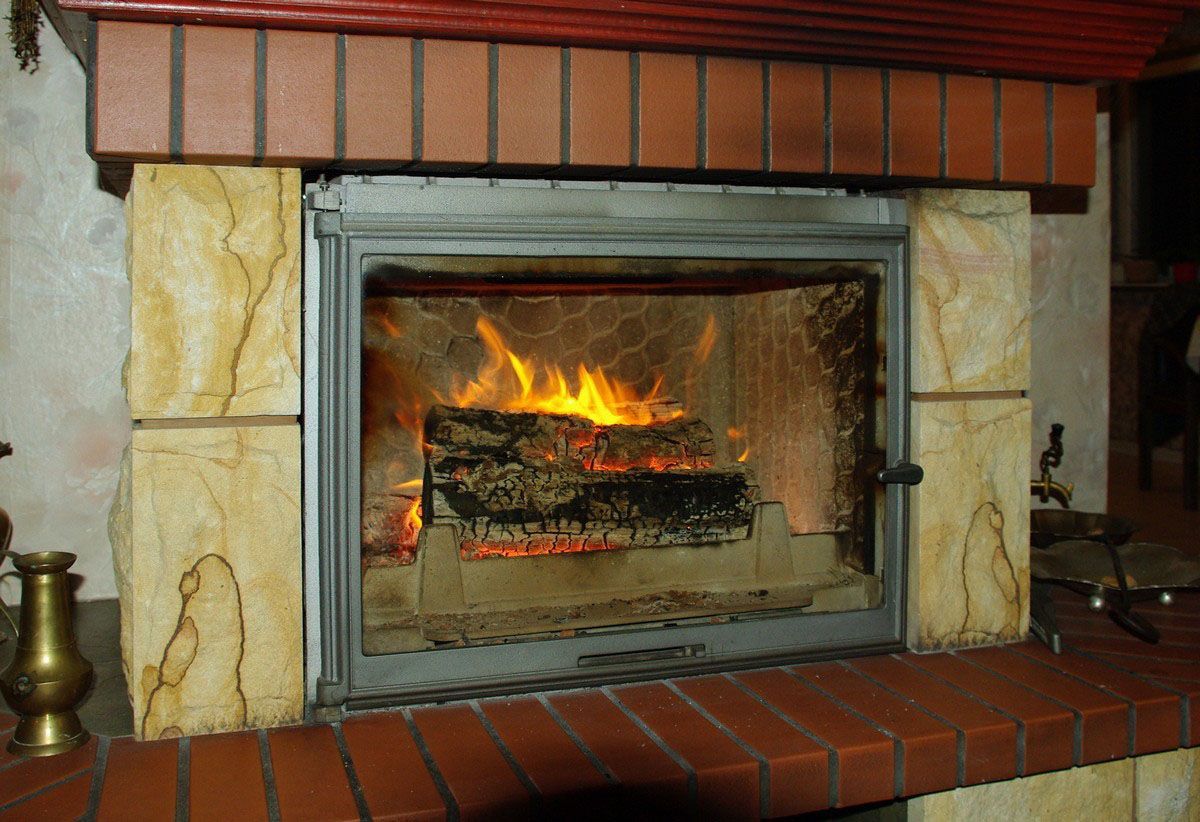
Evaluating traditional solid fuel hearths allows homeowners to appreciate the classic warmth and rustic charm that natural logs provide during cold winter evenings. The sensory experience of real crackling logs and rising warmth remains unmatched by modern alternatives, creating an inviting gathering spot for family and guests. However, operating a traditional wood burning unit requires dedicated effort, including sourcing, splitting, seasoning, and storing fuel in a dry area. Daily operation involves clearing ashes and monitoring the fire to maintain a steady temperature.
Installing a conventional masonry hearth requires structural support, a dedicated chimney, and proper clearance from combustible materials. Long term maintenance involves annual safety inspections and professional chimney cleaning to prevent dangerous creosote build up. While the initial craftsmanship and physical labor demands are significant, many homeowners feel the authentic ambiance justifies the ongoing effort. Operating this style of hearth provides an off grid heating source that remains functional during power outages.
Selecting Modern Gas Features
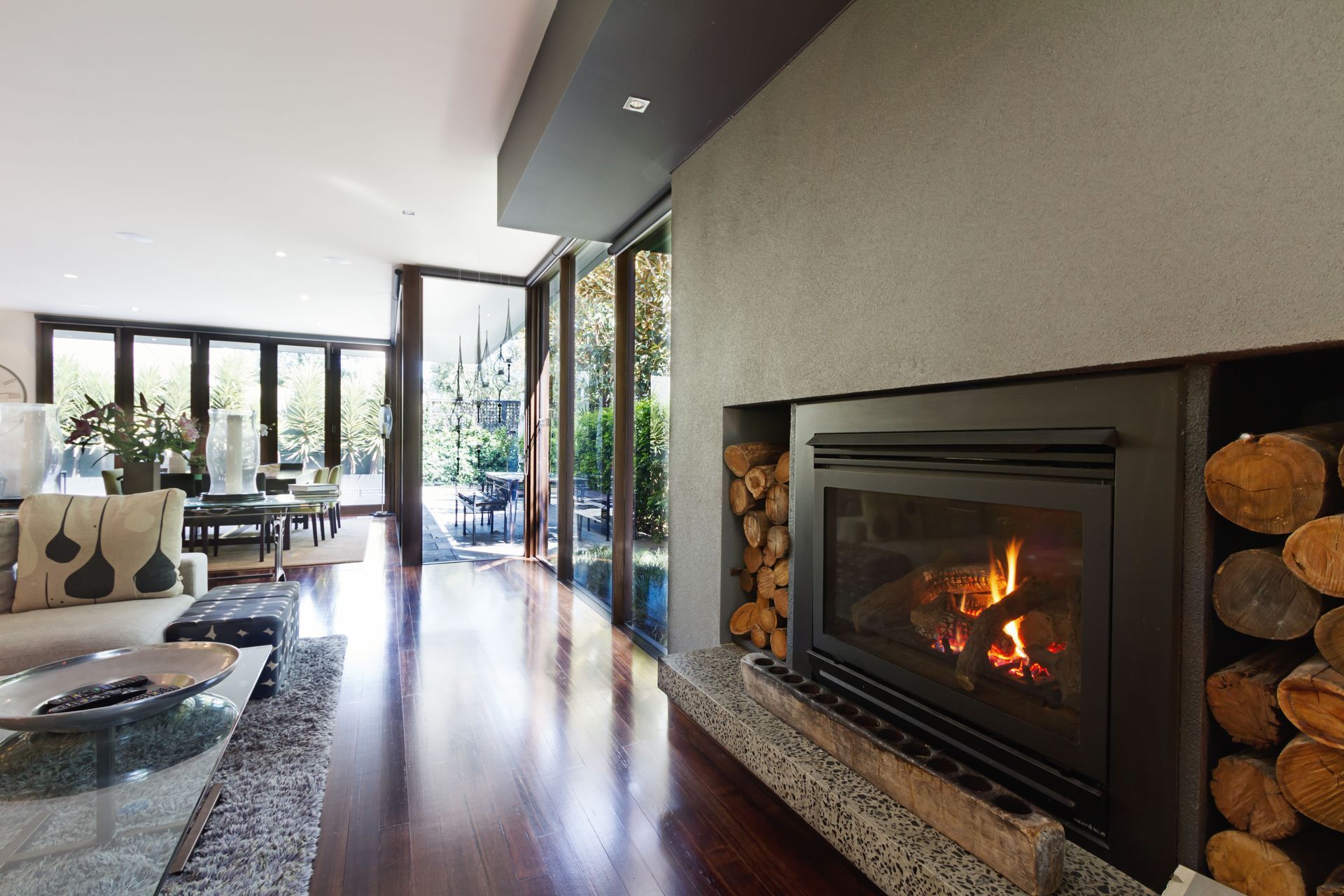
Selecting a gas fireplace provides homeowners with instantaneous warmth and precise temperature control at the flip of a switch or the touch of a remote. These units eliminate the physical labor associated with gathering wood and clearing ash, making them ideal for busy households seeking effortless comfort. Modern units feature realistic log sets, glowing ember beds, and dynamic flame patterns that closely mimic traditional fires without the accompanying mess. Venting options include direct vent systems that exhaust through an exterior wall or vent free models that offer flexible placement throughout the home.
Gas fireplaces tend to require less maintenance than their wood-burning counterparts, resulting in lower overall costs. The global gas and solid fuels (wood) fireplaces market, which accounted for USD 2.60 billion in 2025, according to Precedence Research, underscores the growing preference for efficient, convenient heating solutions. Consumers value the balance of upfront investment with long-term operational savings. Additionally, running a dedicated gas line ensures a continuous fuel supply that operates reliably without requiring physical fuel storage space.
Installing Electric Units
Installing an electric fireplace offers maximum placement flexibility, making it an ideal choice for apartments, condominiums, and homes without existing chimneys or gas infrastructure. These appliances operate by drawing electricity from a standard wall outlet to generate heat through internal coils while utilizing advanced LED technology to project realistic flame imagery. Because they do not rely on actual combustion, these units produce zero indoor emissions and require no external venting, flues, or gas connections. Users can operate the flame effect independently of the heating element, allowing for year round visual enjoyment regardless of the season.
The installation process for an electric fireplace is remarkably straightforward, often requiring little more than hanging the unit on a wall or setting it inside a decorative mantel surround. Maintenance is minimal, generally limited to occasional exterior dusting and keeping the air intake free of debris. These units remain cool to the touch on external surfaces, providing a child friendly and pet friendly heating alternative. While their heat output is generally intended for supplemental zone heating rather than primary whole house warmth, their low operational barriers make them an increasingly popular home feature.
Aligning Features With Daily Habits
Aligning features with daily habits ensures that your chosen heating appliance fits seamlessly into your household routine and spatial layout. Families with busy schedules often prefer the instant activation and programmable timers of automated systems over the multi step preparation required for wood fires. Spatial considerations also dictate the ideal setup, as compact living rooms benefit from slim wall mounted or insert models that preserve floor space. Evaluating local fuel costs, climate severity, and environmental standards will further clarify which fuel source offers the best balance of performance and economy.
Safety profiles should also guide your decision, particularly in homes with young children, active pets, or elderly residents. Units that feature protective glass guards, automatic shut off valves, and cool touch cabinets minimize risks associated with open heat sources. Additionally, local building codes may restrict certain types of wood combustion in urban areas prone to poor air quality, making cleaner burning alternatives necessary. Assessing these practical variables guarantees that your new heating feature enhances daily comfort without introducing unnecessary complexity.
Designing Around Your Heating Feature
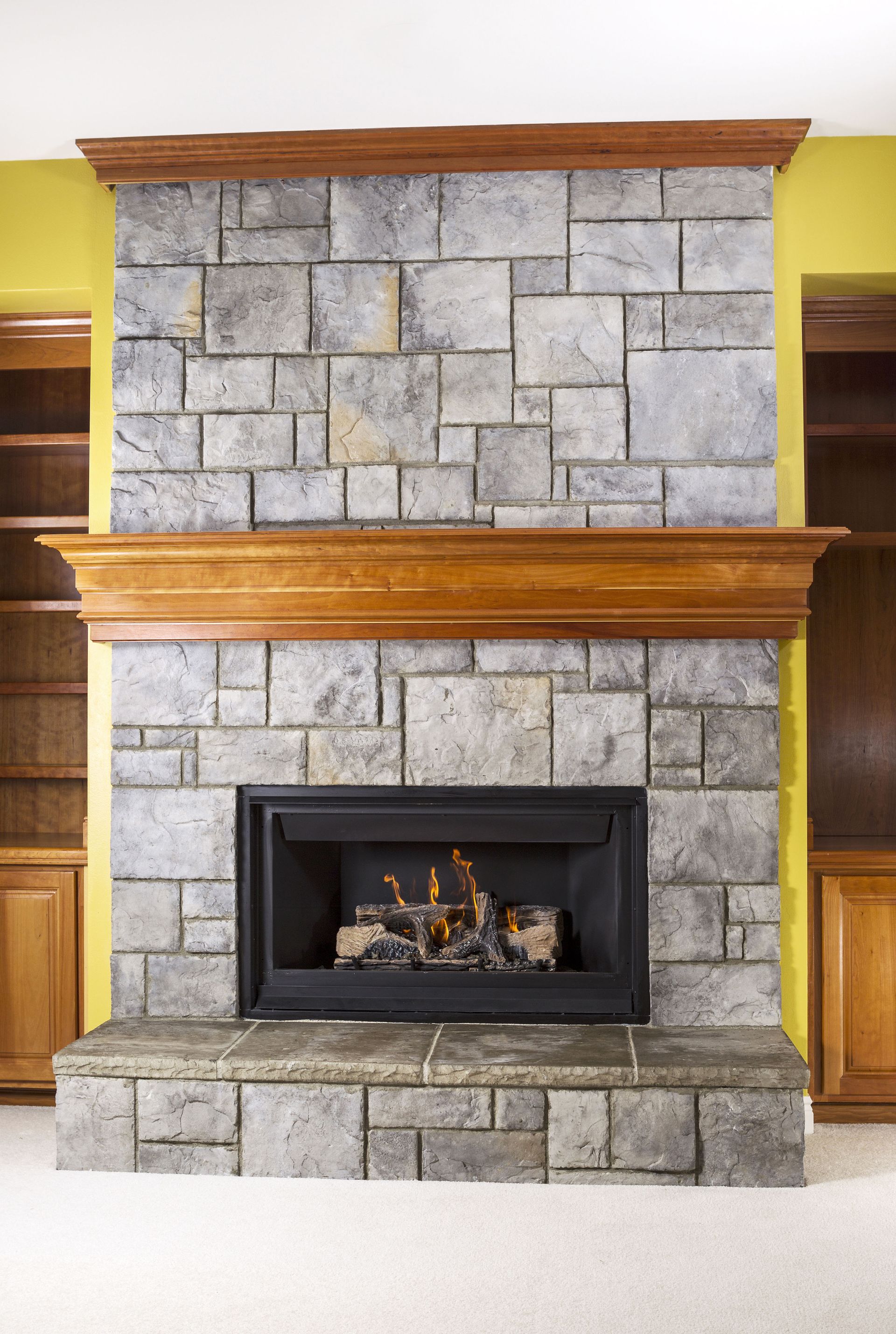
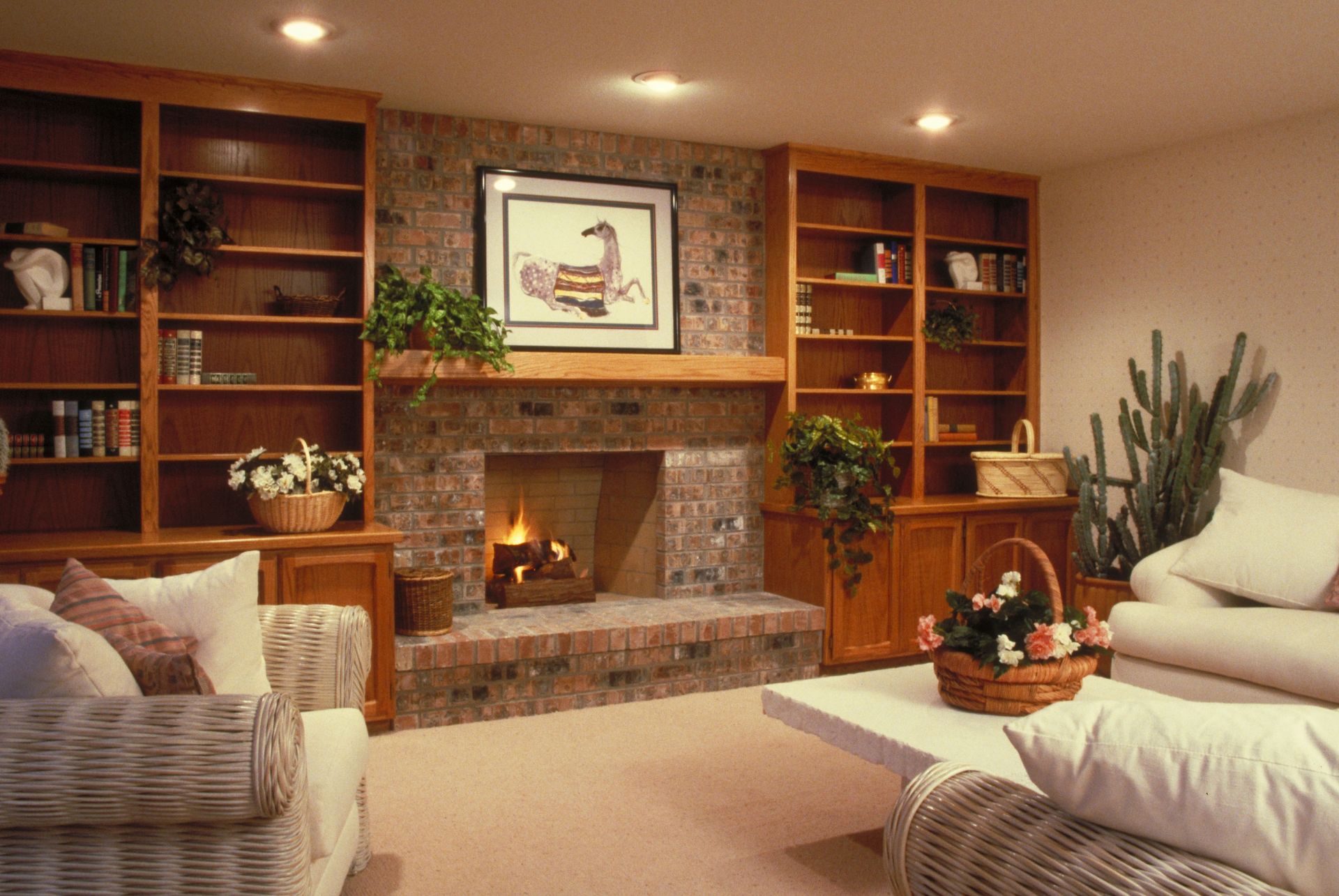
Designing around your chosen heating feature allows you to create a striking visual centerpiece that anchors the surrounding interior design scheme. Surrounding materials such as stacked stone, sleek tile, reclaimed wood mantels, or industrial steel can transform a basic heating appliance into a custom architectural statement. The placement of furniture, TV mounts, and ambient lighting should frame the hearth area, encouraging conversation and establishing a cozy atmosphere. Selecting finishes that mirror the overarching color palette of your home ensures that the installation feels intentional and harmonious.
Custom cabinetry, integrated shelving, and hidden media wiring can further elevate the functionality of the hearth area, blending technology with comfort. Incorporating decorative elements like hearth tools, screen covers, or mantel displays allows for seasonal styling updates that keep the living space feeling fresh. Whether aiming for a minimalist modern look or a warm rustic feel, thoughtful design choices frame your heating unit as the heart of the home. A well integrated hearth improves spatial flow while increasing overall residential appeal.
Understanding Long Term Financial Value
Understanding long term financial value involves analyzing both the initial setup expenses and the ongoing operating costs over the lifespan of the appliance. While conventional masonry construction carries high upfront installation fees, it can add enduring structural character and market appeal to a residence. Alternative fuel models often present lower initial entry costs and efficient zone heating capabilities, which can help reduce monthly utility bills by warming specific living areas rather than the entire house.
Upkeep expenses vary significantly depending on the underlying technology and fuel source. Solid fuel systems require routine chimney sweeping and fuel purchases, whereas electrical units involve virtually no routine servicing costs. Gas powered models strike a middle ground, requiring periodic valve checks and burner cleanings to maintain optimal efficiency. Evaluating these cumulative costs against your budget ensures a financially sound decision that aligns with your property value goals.
Choosing the Right Model
Choosing the ideal hearth feature ultimately comes down to matching your personal lifestyle preferences with the structural capabilities of your living space. Whether you prioritize the sensory appeal of a real wood fire, the push button efficiency of gas, or the effortless placement of an electric fireplace, each system offers unique advantages for modern living. Taking the time to review safety requirements, fuel availability, and maintenance commitments ensures that your final choice delivers warmth and satisfaction for years to come.
Partnering with experienced professionals simplifies the selection and installation process, ensuring that every safety standard and design goal is met with precision. If you are ready to upgrade your home with a beautiful, high efficiency
fireplace, contact The Fireplace People today to explore our premium product line and schedule your expert consultation.