November 21, 2026
Crisp autumn evenings naturally inspire homeowners to gather around a warm hearth, yet firing up a neglected heating appliance invites preventable hazards and mid-season breakdowns. Months of spring humidity, summer storms, and falling debris quietly take a toll on chimney structures, venting pathways, and internal components. Addressing small wear issues before freezing weather arrives keeps your living space safe, warm, and energy-efficient all season long.
Homeowners who own traditional hearths or modern fireplaces benefit tremendously from following a methodical pre-season maintenance routine. Conducting a thorough visual review helps you catch creosote buildup, damaged gaskets, and blocked flues before winter demand peaks. Let us walk through the essential inspection steps to prepare your hearth for reliable cold-weather performance.
Inspect the Firebox and Interior Masonry
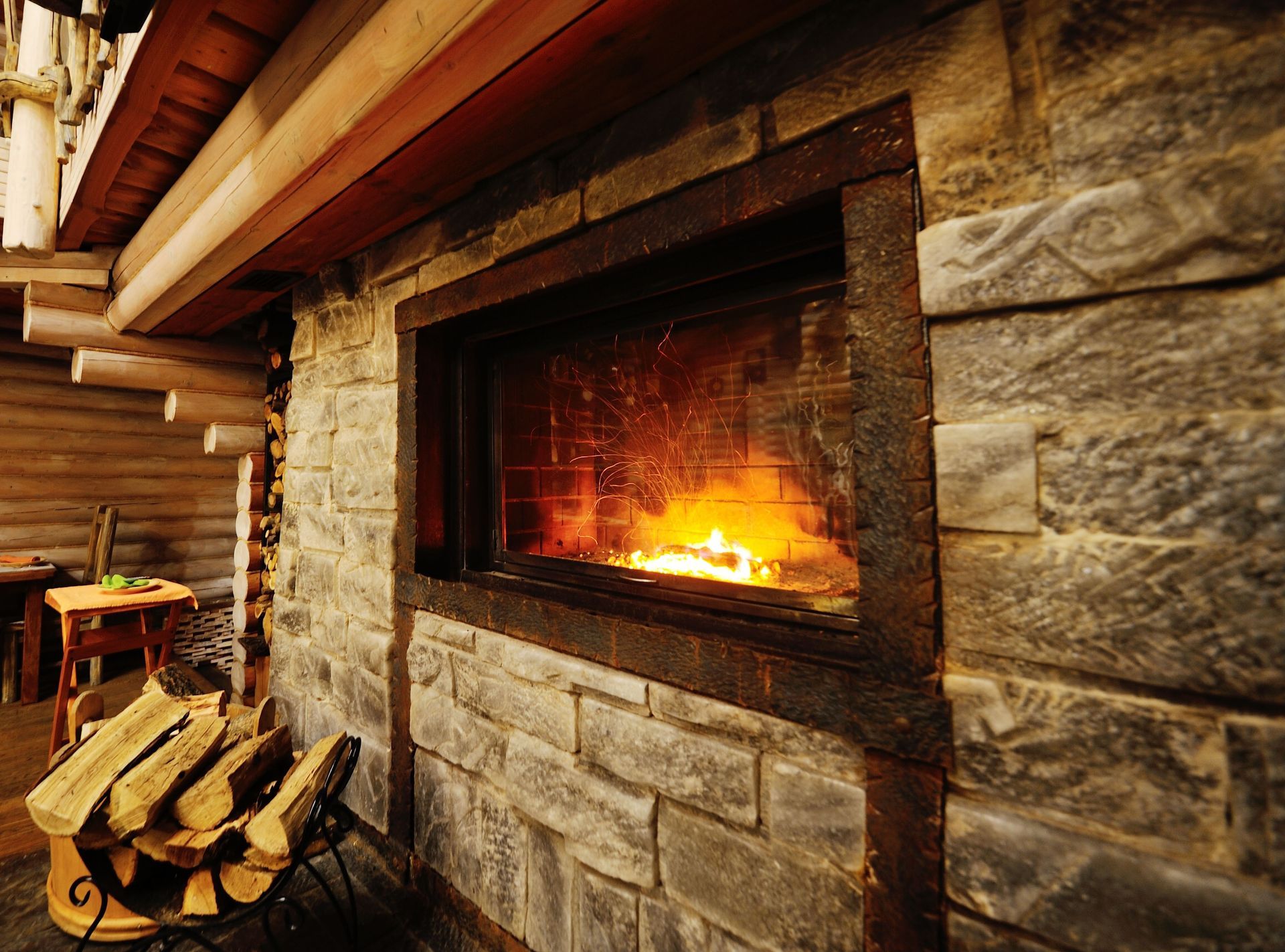
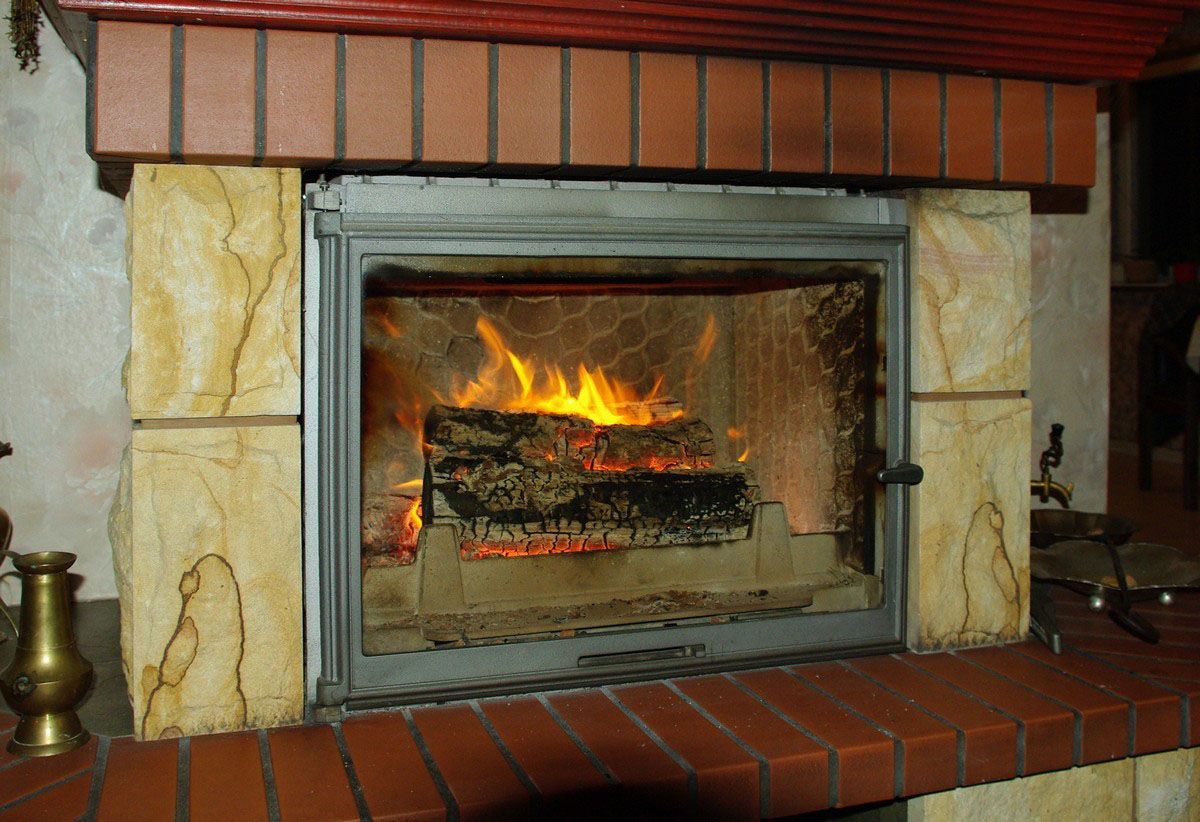
Begin your pre-season evaluation inside the firebox, where extreme temperatures place constant thermal stress on bricks, mortar, and refractory panels. Shine a bright flashlight across the rear and side walls to search for crumbling mortar joints, deep cracks, or spalling brick surfaces. Small hairline fissures often appear during normal heating cycles, yet wide gaps allow dangerous heat and toxic gases to escape toward combustible framing.
Look closely at the floor of the hearth as well, ensuring that ash residue from previous seasons has been completely cleared away. Trapped ash retains moisture from humid summer air, creating acidic compounds that accelerate corrosion on metal grates and damper assemblies. Maintaining clean interior surfaces protects structural integrity across all wood-burning fireplaces and prevents costly masonry repairs later in the year.
If you spot loose bricks or deteriorating mortar, avoid lighting a fire until a qualified technician restores the firebox lining. Using high-temperature refractory mortar for minor patching keeps heat properly contained within the combustion chamber. Taking care of interior masonry early ensures your hearth handles sustained winter burns safely.
Examine the Damper Seal and Operating Mechanism
The damper acts as the primary thermal barrier between your cozy living room and the frigid outdoor air rushing down the chimney. Open and close the damper handle several times to verify that the metal plate pivots smoothly without grinding, sticking, or binding. Rust accumulation or warped metal frequently prevents dampers from seating tightly against their frames.
When closed, a properly functioning damper should form a snug seal that prevents conditioned indoor air from escaping up the flue. Shine your flashlight upward toward the closed plate to check for slivers of daylight or noticeable drafts around the edges. A compromised seal wastes heating energy every single day and allows cold downdrafts to chill your home.
Cleaning away soot deposits along the damper track often restores smooth movement and improves closure tightness. If the metal plate shows severe rust pitting or bent hinges, replacing the assembly before winter arrives saves money on utility bills. Modern top-sealing dampers also offer superior weather protection for older masonry fireplaces prone to draft issues.
Check the Chimney Flue and Exterior Cap
An unobstructed venting pathway is critical for drafting smoke upward and keeping carbon monoxide out of your household air. Use a strong flashlight and a small inspection mirror to peer up into the flue liner from below, checking for bird nests, dry leaves, or thick creosote deposits. Glazed, tar-like creosote is highly flammable and represents a leading cause of residential chimney fires during peak heating months.
Step outside with binoculars to inspect the chimney exterior, flashing, and protective rain cap from ground level. Verify that the metal mesh screen surrounding the cap remains intact and free of rust holes that invite squirrels, raccoons, or nesting birds inside. Missing or damaged caps allow rain and melting snow to pour directly into the flue, eroding interior liners.
Examine the brick chimney crown and the metal flashing where the structure meets your roofline for cracks or lifted edges. Water intrusion through damaged flashing ruins attic insulation, stains interior ceilings, and weakens chimney masonry during freeze-thaw cycles.
Test Gas Lines, Igniters, and Glass Doors
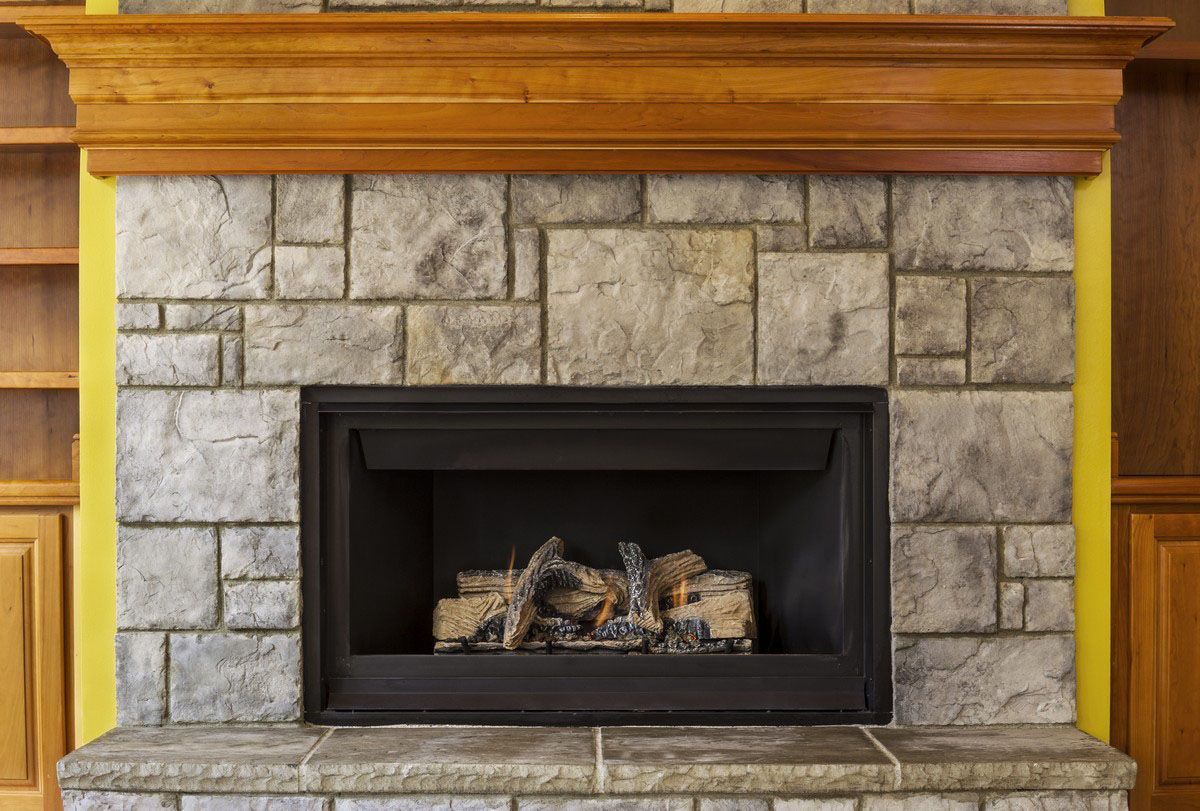
Homeowners with gas-burning units need to inspect mechanical valves, pilot assemblies, and sealed glass enclosures before turning up the thermostat. Check visible gas supply connections for corrosion or kinks, and sniff carefully near the control valve to ensure no faint gas odor lingers. Gently vacuum dust and pet hair from the burner compartment, pilot sensor, and electronic ignition module so flames light cleanly without delayed ignition.
Inspect the ceramic glass front panel for scratches, cloudiness, or hairline fractures, and check the woven fiberglass gasket around the perimeter. A brittle or flattened door gasket breaks the sealed combustion loop, potentially allowing exhaust fumes to seep into your living space. Wipe the interior glass surface with a specialized hearth cleaner to remove white mineral film left behind by gas combustion.
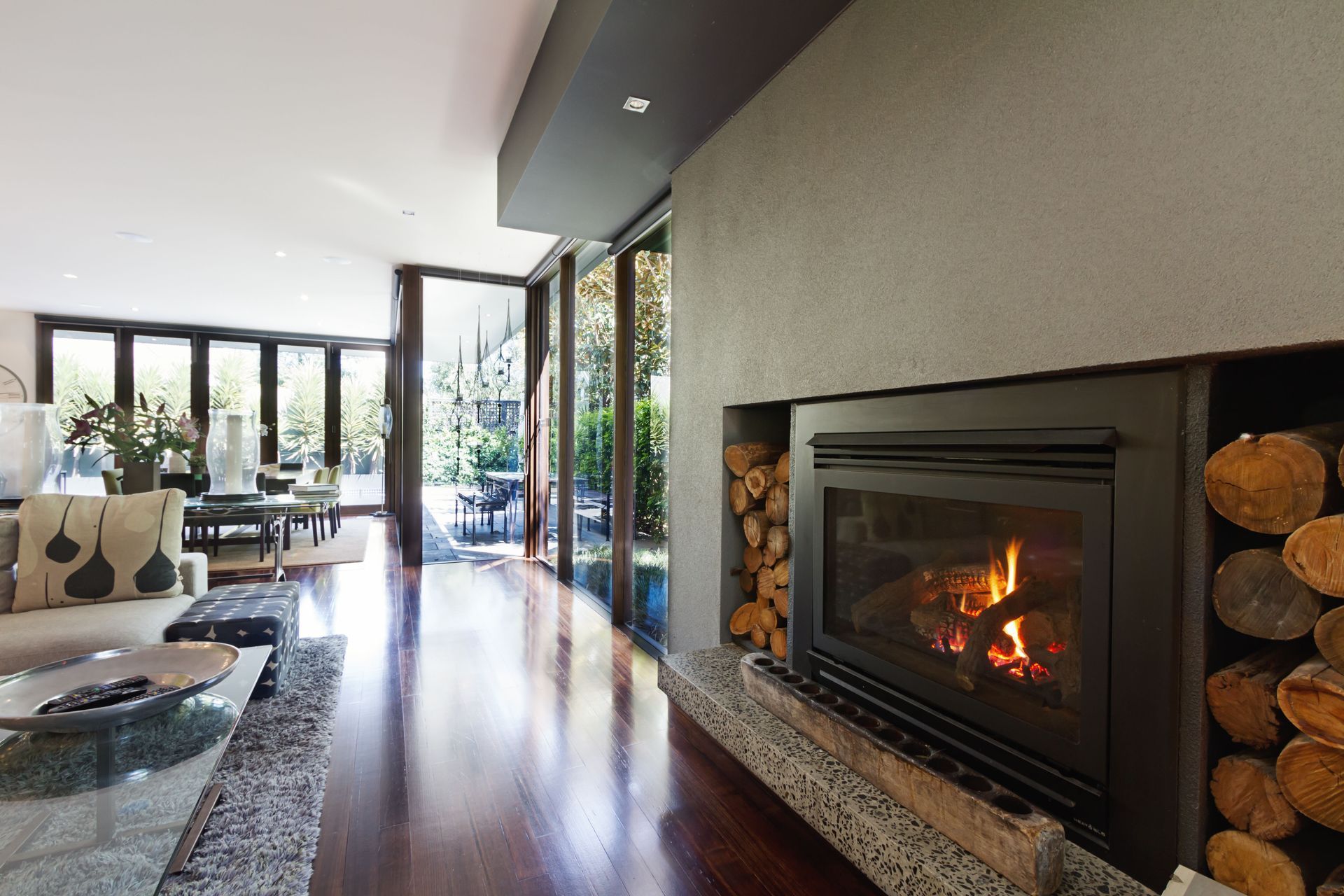
Modern residential heating trends continue to evolve rapidly as homeowners seek convenient, stylish alternatives to traditional wood hearths. According to Grandviewresearch.com, the wall-mounted segment led the fireplace market with the largest revenue share of 48.5% in 2025. Regardless of whether you own a sleek wall unit or a classic insert, testing thermostats and remote controls early prevents chilly surprises when temperatures plunge.
Verify Smoke and Carbon Monoxide Detectors
Even the cleanest, best-maintained heating appliances require reliable electronic safety backups inside your living spaces. Test every smoke alarm and carbon monoxide detector throughout your home by pressing the test button and listening for a loud, clear chime. Install fresh batteries in all units at the start of autumn rather than waiting for low-battery chirps in the middle of the night.
Confirm that detectors are positioned properly on every level of your residence, especially outside sleeping areas and within a safe distance of fireplaces. Mounting a carbon monoxide alarm too close to a hearth can trigger nuisance false alarms, while placing it too far away delays critical early warnings. Check the manufacturing date printed on the back of each device, as sensors lose sensitivity over time and require complete unit replacement.
Review your household fire safety plan with every family member, ensuring everyone knows how to operate fire extinguishers and exit routes calmly. Keep a dedicated, properly rated fire extinguisher easily accessible near your primary living area without placing it directly beside the heat source.
Clear Hearth Surroundings and Organize Fuel
Combustible household items tend to migrate closer to the hearth during warmer months when the appliance sits idle. Remove throw blankets, decorative baskets, stacked magazines, and stray furniture pieces so a generous safety clearance surrounds the entire hearth opening.
If you burn seasoned firewood, inspect your outdoor woodpile to confirm logs are dry, split, and stored neatly off the ground under a breathable cover. Burning damp, freshly cut green wood produces excessive smoke, smoldering fires, and rapid creosote accumulation inside your chimney flue.
For electric or contemporary fireplaces, ensure air intake louvers and heat discharge vents remain completely unobstructed by drapes or holiday decorations. Proper airflow prevents internal thermal switches from tripping and keeps heating elements operating smoothly throughout long winter evenings. Taking time to organize your fuel and clear the surrounding room completes your pre-season checklist for fireplaces across your home.
Preparing your hearth ahead of freezing weather protects your family, lowers heating expenses, and guarantees effortless warmth whenever winter storms roll through. If you spot worn components, stubborn drafts, or lingering maintenance questions during your walkthrough, professional guidance makes every repair simple and stress-free. Contact The Fireplace People today to schedule your comprehensive winter inspection and enjoy a safe, cozy season ahead!